Most people who have access to a hot tub use it the way they use a warm bath — as a passive comfort measure, something that feels good in the moment and leaves them relaxed enough to sleep. Most people who have tried cold water immersion — a cold shower, a lake in October, the brief shock of a pool that has not been heated — remember the experience as unpleasant and do not volunteer to repeat it.
Neither of these experiences has much to do with what contrast hydrotherapy actually is or what it produces in the body when it is done deliberately, in sequence, in an environment designed for it.
The practice of alternating hot and cold water immersion as a recovery and wellness protocol has a history that runs through Japanese onsen culture, Scandinavian sauna tradition, and the bathhouse practices of ancient Rome and Greece. What those traditions understood empirically — that the deliberate alternation of thermal states produces something in the body that neither hot nor cold alone achieves — exercise physiology and sports medicine research has spent the last several decades beginning to explain mechanically.
The GTA’s awareness of this practice has grown considerably with the recent surge of interest in cold plunge therapy and biohacking culture. What has grown more slowly is the understanding of what contrast therapy actually requires to work — the specific conditions, the proper sequence, and the kind of facility infrastructure that makes the difference between a genuine physiological intervention and a cold shower after a hot tub.
What Heat Does
The hot side of contrast hydrotherapy is doing more than producing comfort.
Immersion in water at elevated temperature — in the range of 100°F to 104°F — produces a cascade of physiological responses that begin within the first few minutes and compound across the duration of the exposure. Core body temperature rises, triggering the thermoregulatory response that directs blood flow toward the skin and peripheral tissue. Peripheral vasodilation occurs — the blood vessels near the surface of the body expand to facilitate heat dissipation, increasing local circulation significantly. Muscles, receiving more blood flow and operating at higher tissue temperature, become more pliable and less resistant to stretch and pressure.
The cardiovascular response mirrors moderate exercise in some respects — heart rate elevates, cardiac output increases, and the body moves into a state of active physiological engagement rather than the passive rest that most people assume heat produces. Research into regular sauna use suggests it may support cardiovascular health through this mechanism, though the most accurate framing for wellness purposes is that the body during heat immersion is working — actively processing the thermal load — rather than simply relaxing into it.
The hormonal component of heat exposure is significant. Prolonged heat immersion stimulates the release of growth hormone — with some research suggesting levels several times above baseline after extended sauna sessions — and may support the production of heat shock proteins, cellular stress-response molecules associated with tissue repair and adaptation. Whether these effects translate directly to the wellness outcomes that sauna enthusiasts claim is a matter of ongoing research. What is clear is that the physiological response to deliberate heat exposure is considerably more active than the comfort experience would suggest.
For recovery purposes — the specific context of a guest arriving at Club Dynasty after a working day or a period of physical exertion — the most immediately relevant effects are the muscular vasodilation, the increased tissue pliability, and the pronounced parasympathetic shift that sustained heat exposure tends to produce after the initial cardiovascular activation settles. Muscles that have been chronically contracted through postural load or physical exertion are considerably more receptive to release — whether through subsequent massage or simply through the relaxation response — after ten to twenty minutes of proper heat immersion than they are at baseline temperature.
What Cold Does
The cold side of the contrast protocol is where most guests’ intuitions are least accurate — and where the most significant physiological responses occur.
Cold water immersion at temperatures in the range of 50°F to 60°F produces an immediate and dramatic autonomic response. The cold shock reflex — the sharp intake of breath, the spike in heart rate, the sudden alertness — is the sympathetic nervous system’s response to a perceived threat. This is uncomfortable. It is also, for most guests who move through it rather than retreating from it, the beginning of a response sequence that produces the clearest subjective experience of the entire hydrotherapy circuit.
As the initial shock response stabilises — typically within thirty to sixty seconds of immersion for most guests — the body begins the deeper cold adaptation response. Norepinephrine release increases substantially, with research suggesting cold water immersion may stimulate norepinephrine levels significantly above baseline. This norepinephrine surge is associated with improved mood, enhanced focus, and a reduction in inflammatory markers — effects that many cold plunge advocates describe in subjective terms as a feeling of sharp mental clarity and physical lightness that persists well beyond the immersion itself.
The vasoconstriction that cold immersion produces in peripheral tissue is the mechanical complement to the vasodilation of the hot phase. Blood is directed away from the periphery and toward the core. When the body returns to a neutral or warm environment after cold immersion, the subsequent vasodilation — the reactive hyperaemia response — produces a pronounced increase in blood flow to the peripheral tissue that was previously constricted. This flush effect is one of the proposed mechanisms behind cold water immersion’s association with reduced delayed onset muscle soreness and accelerated recovery from physical exertion.
The parasympathetic rebound after cold immersion is the response most guests find most striking. As the body moves out of the cold and the initial sympathetic activation subsides, the nervous system shifts into a pronounced parasympathetic state — the rest-and-digest mode that represents the physiological opposite of the stress response. Heart rate drops, often below pre-immersion baseline. Breathing deepens. The quality of relaxation that follows a properly executed cold immersion is qualitatively different from the relaxation that heat alone produces — sharper, clearer, and accompanied by the specific sense of physical and mental lightness that regular cold plunge users describe as the primary reason they return to the practice.
Why the Sequence Matters
Hot and cold water immersion each produce significant physiological responses in isolation. The reason contrast hydrotherapy — the deliberate alternation of both — produces something more than either alone comes down to the interaction between the two response sequences.
The vasodilation produced by heat followed by the vasoconstriction of cold followed by the reactive vasodilation of rewarming creates a pumping effect in the peripheral vasculature that neither thermal state produces independently. This vascular cycling — sometimes described as a passive vascular workout — is the mechanical basis for contrast therapy’s association with improved circulation, reduced inflammatory markers, and accelerated clearance of the metabolic byproducts that accumulate in muscle tissue during sustained exertion or chronic postural load.
The neurological sequence matters equally. The parasympathetic shift produced by sustained heat is interrupted and then deepened by the sympathetic activation of cold immersion and the subsequent parasympathetic rebound. The result is a nervous system state after a complete contrast cycle that is more deeply decompressed than the heat phase alone would produce — because the cold interruption has reset the baseline against which the final parasympathetic response is measured.
For recovery from desk fatigue and professional stress — the primary context in which most Club Dynasty guests use the hydrotherapy circuit — this neurological sequence is the most valuable component. The body’s accumulated sympathetic activation from a working day is not simply relaxed away by heat. It is reset by the deliberate application of a controlled thermal stressor — the cold plunge — that forces the nervous system through an acute activation cycle and into a deeper recovery state on the other side.
The Infrastructure Question
Understanding why contrast hydrotherapy works is one thing. Accessing it in the GTA is another, and this is where the conversation about facility quality becomes relevant.
A cold shower after a hot bath produces some version of the thermal contrast response. It does not produce the full contrast hydrotherapy effect because the immersion component — the sustained, whole-body engagement with the thermal environment — is absent. The cold shock reflex and the vasoconstriction response require sufficient surface area of contact and sufficient duration to complete. A shower, however cold, does not deliver either.
Similarly, a residential hot tub at 98°F followed by a pool at 72°F produces a version of the contrast response. The temperature differential is smaller, the hot phase is less physiologically challenging, and the cold phase is insufficiently cold to produce the acute autonomic response that drives the most significant recovery effects.
What the contrast protocol requires is a properly calibrated hot environment — water or ambient heat in the 100°F to 104°F range for immersion, or higher for sauna — paired with a cold environment cold enough to produce the genuine cold shock and adaptation response. The ice plunge pool at Club Dynasty is maintained at a temperature that produces the actual physiological response the protocol requires. The 104°F hot jacuzzi pool, the dry sauna, and the steam sauna provide three distinct hot-phase options with different characteristics — the jacuzzi for whole-body immersion, the dry sauna for the higher ambient temperature and sweat response, the steam sauna for the humid heat environment that certain guests find more tolerable and more immediately relaxing.
The combination of genuinely calibrated thermal environments at both ends of the temperature spectrum, in a facility large enough to move between them with intention rather than as an afterthought, is what makes the hydrotherapy circuit at Club Dynasty a genuine contrast therapy protocol rather than a hot tub with a cold rinse.
How the Hydrotherapy Circuit Fits the Full Visit
The thermal circuit at Club Dynasty is not designed in isolation from the facility’s other offerings. It is the preparation that makes everything that follows more effective.
For guests searching for exotic massage toronto, the hydrotherapy circuit provides the perfect physiological preparation.
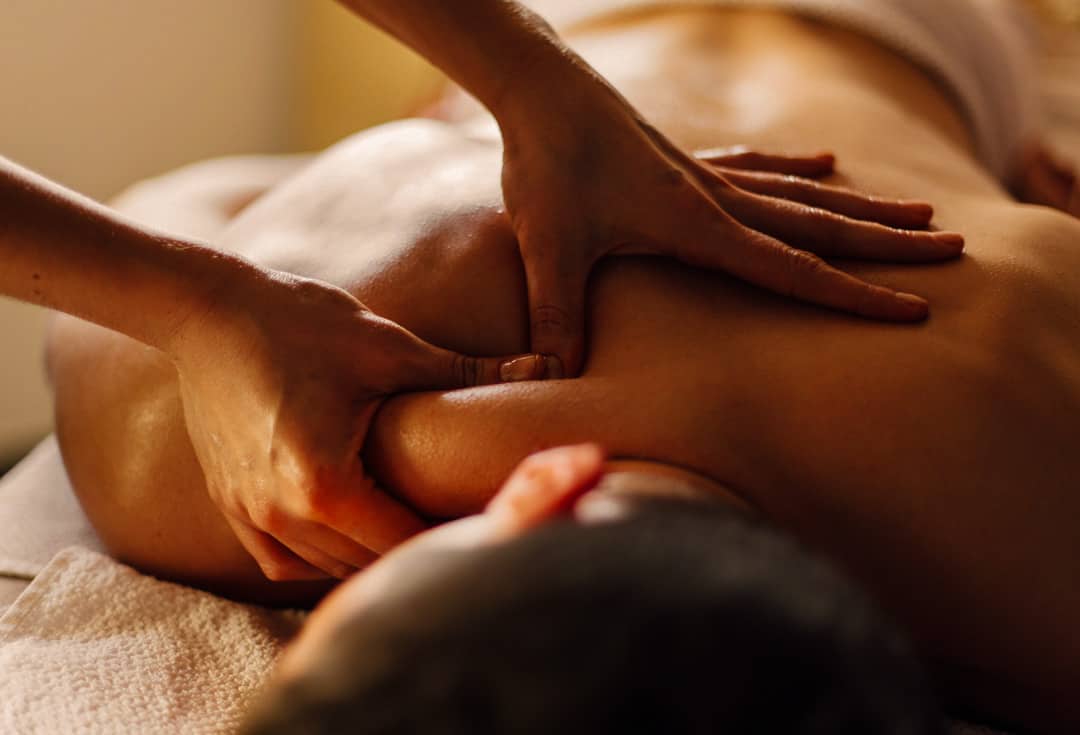
Guests who move through the full hot-cold sequence before a massage session arrive at the massage room in a physiologically different state than guests who come directly from outside. Muscle tissue that has been through the vasodilation of heat and the reactive hyperaemia of post-cold rewarming is more pliable, more responsive, and more deeply supplied with blood flow than tissue at baseline temperature. The Shiatsu deep tissue work that Club Dynasty’s attendants deliver reaches tissue that has already begun the release process — which allows deeper work at less force and produces a more complete result than the same technique on cold, resistant muscle.
The sensual massage similarly lands differently after the thermal circuit — the nervous system’s already-initiated shift toward parasympathetic dominance makes the body more receptive to the affiliative, calming touch that drives the oxytocin response and the deeper decompression the session produces.
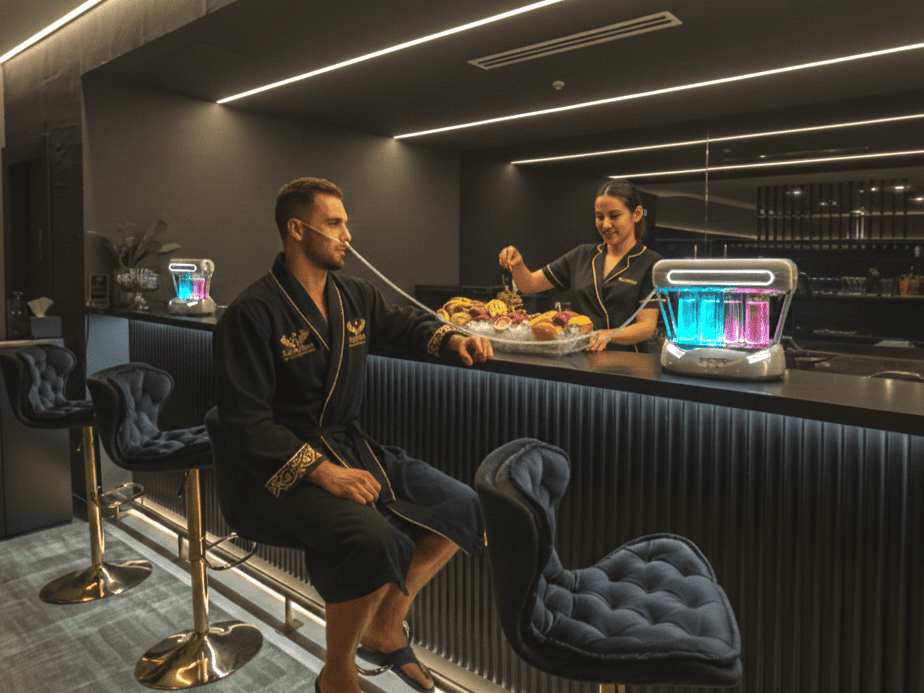
For guests using the Spa Day Pass — accessing the facility without a massage booking — the hydrotherapy circuit is the complete experience. And for this use case, understanding the sequence matters most. Hot phase long enough for full tissue response — typically fifteen to twenty minutes. Cold immersion sustained through the initial shock response until the adaptation phase — typically thirty to ninety seconds for newer practitioners, longer for those who have developed comfort with the cold. Return to heat, or transition to the oxygen therapy bar for the transition between the thermal circuit and the relaxation lounge.
The relaxation lounge is the integration phase — the period of quiet rest in a low-stimulus environment that allows the body to complete the physiological processing the thermal circuit has initiated. Guests who leave immediately after the cold plunge consistently report a less complete experience than guests who allow fifteen to twenty minutes of passive rest before the drive home.
The GTA Context
The recent growth of interest in cold plunge therapy across the GTA — cold plunge studios have opened in several Toronto neighbourhoods over the last two years, and the practice has developed a significant following in fitness and biohacking communities — has increased awareness of cold immersion as a standalone practice without always clarifying what contrast hydrotherapy, as a complete protocol, actually involves.
A standalone cold plunge is a legitimate wellness practice. It produces real physiological effects and has a growing body of research behind it. But cold immersion following a properly executed heat phase — in a facility calibrated for both — produces the full contrast response that the research on hydrotherapy describes. The two are not equivalent, and the GTA currently has very few facilities outside of Club Dynasty capable of delivering both sides of the protocol at the thermal intensity the research supports.
Club Dynasty has been providing access to this circuit at 7850 Woodbine Avenue in Markham since 1991. The hydrotherapy infrastructure that the facility has maintained and refined across three decades is not incidental to the guest experience. It is, for a growing number of guests who understand what it does, the primary reason for the visit — with everything that follows as the completion of a recovery protocol that the thermal circuit begins.
For guests new to the facility, the first-timer’s guide is the practical starting point. The thermal circuit is available to all guests as part of the facility access, and the live schedule is there for guests who want to pair the hydrotherapy session with a massage booking on the same visit.
The water is at temperature. The plunge pool is cold enough to work. The sequence is available every day until 1 AM, without an appointment, to anyone who makes the drive to Woodbine Avenue and decides to find out what contrast therapy feels like when it is done properly.