Ask ten men what they want from a massage and you will hear ten different answers — and almost all of them come down to one thing: pressure. Choosing the right massage intensity is the difference between leaving the table genuinely restored and leaving it wishing you had spoken up. At Club Dynasty in Markham, the right pressure is never a guess; it is a conversation, and one we have been having with discerning guests since 1991.
If you have ever lain there enduring a touch that was too light to matter or too firm to enjoy, this guide is for you.
Light, medium and firm — what each is for
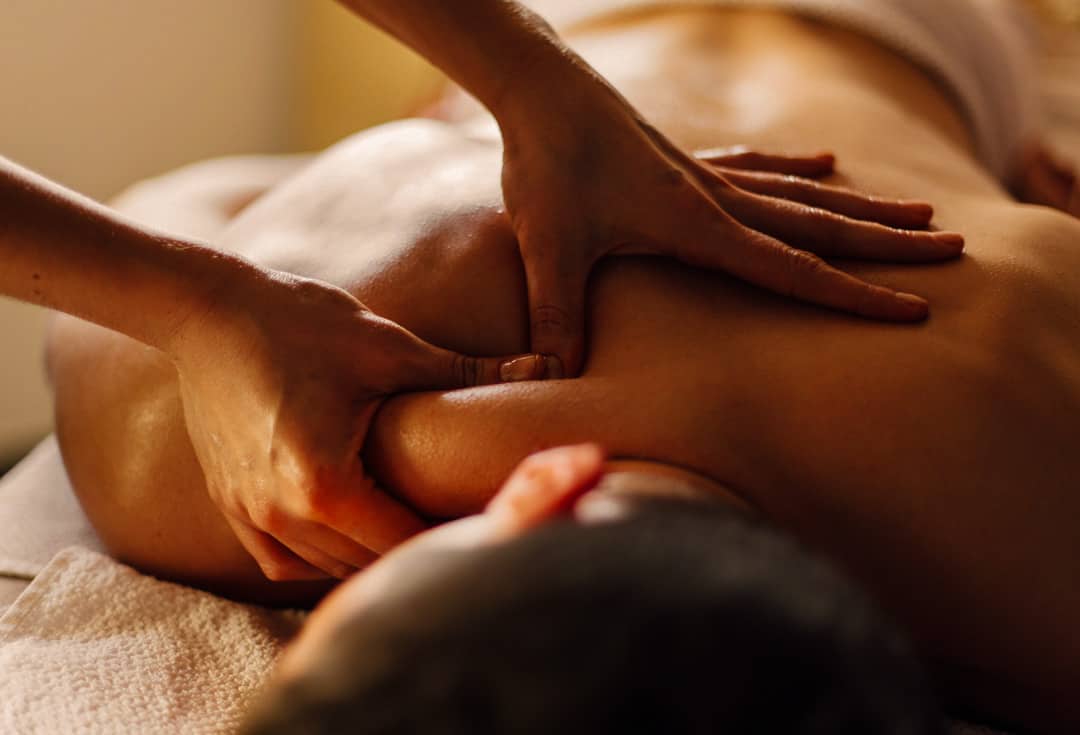
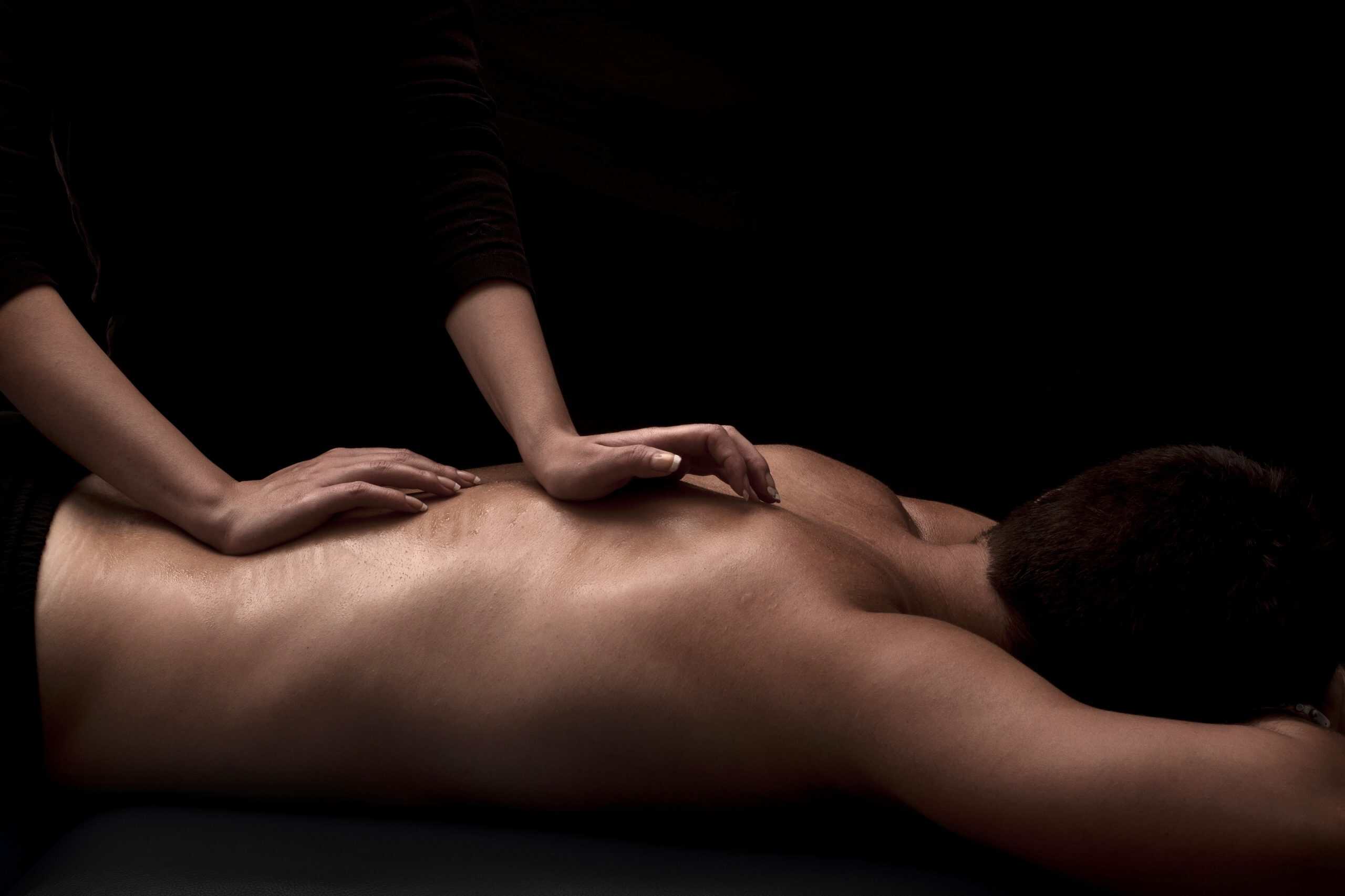
Light pressure is about the nervous system rather than the muscle. It soothes, slows the breathing and is ideal when the goal is pure relaxation. Medium pressure reaches the soft tissue and is the comfortable middle ground most guests gravitate toward. Firm and deep pressure works into the denser layers, targeting the tightness that builds from long hours at a desk or behind the wheel. None is “better” — each simply answers a different need.
Match the pressure to the day you have had
A high-stress week of meetings and screens often calls for something firmer through the shoulders and neck, where tension quietly accumulates. An evening when you simply want to switch off is better served by a lighter, slower touch. Many guests report that naming the day out loud — “desk-bound and tense” versus “drained and restless” — helps the therapist calibrate before a hand is even laid.
Pressure is a dialogue, not an endurance test
The single most useful habit you can bring to the table is honesty. “A little firmer,” “ease off here,” “that spot, again” — these are not interruptions; they are how a good session is steered. Deep pressure should feel like productive intensity, never sharp pain. If you find yourself bracing or holding your breath, that is your cue to ask for less. The best outcomes come from guests who treat pressure as collaboration.
Where the styles sit on the scale
Our Hong-Kong-style Shiatsu sits at the firmer, more therapeutic end, working deliberately into tight tissue. A lighter, more flowing approach lives at the relaxation end of the spectrum. If you are unsure where to begin, you can compare our massage styles side by side, and our team will help you place yourself on the scale before your first session.
The right hands make the difference
Pressure is only as good as the person applying it. Our therapists are selected for skill and discretion in equal measure, and you are welcome to meet our masseuses before you decide. Across a 10,000-square-foot facility and more than three decades of practice, we have learned that the perfect massage is not the firmest or the gentlest — it is the one calibrated precisely to you.
A quick word on “no pain, no gain”
Somewhere along the way, a myth took hold that a massage only works if it hurts. It does not. Productive pressure can be intense, certainly — the satisfying ache of a stubborn area releasing — but it should never tip into the kind of pain that makes you tense up and brace against it. When that happens, the muscle fights back rather than letting go, and the session works against itself.
The men who get the most from deep work are not the ones who grit their teeth through it; they are the ones who stay relaxed and communicate. A good therapist would far rather you spoke up than suffered in silence. Treat the table as a place to be honest about what feels right, and the pressure will land exactly where it should.
Walk in any day between 11 a.m. and 1 a.m., tell us how you would like to feel when you leave, and let us find your pressure together.